


Why Switzerland continues to dominate the alpine real estate market
Article featuring Alexandre Costa, CEO of LakeRock Capital
Tribune de Genève et 24 heures : Market > Real Estate
Featuring Alexandre Costa, LakeRock Capital CEO
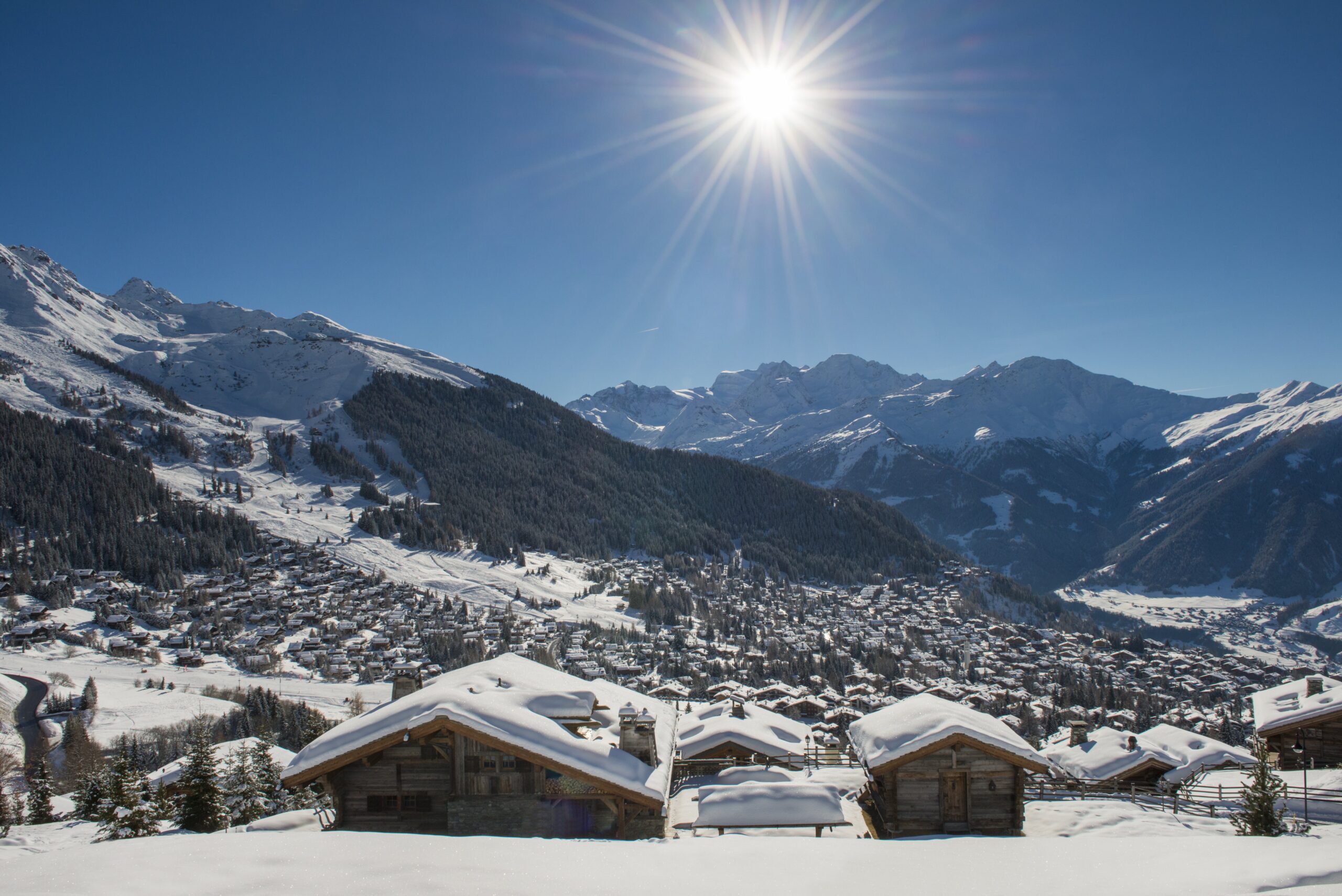
Gstaad, Verbier, St. Moritz: Switzerland’s resorts continue to outpace the rest of the Alpine region. Behind this dominance lie limited supply, sustained international demand, and gaps between destinations that change very little over time.
Every year, UBS’s Alpine ranking sparks plenty of commentary. Which resort has the highest prices? Gstaad, Verbier, or St. Moritz? Will prices keep climbing? Has the market become too expensive?
The 2026 edition is no exception. UBS reports a fresh rise in prices across the Swiss Alps, averaging around 4% over the past year. This increase fits within a long-term trend and continues to fuel questions about where the market is headed.
Behind these figures, a clear picture emerges: buyers are increasingly seeking a certain lifestyle, a form of wealth security, and sometimes a social marker. This shift helps explain why Switzerland continues to lead the ranking by a wide margin despite record prices, a strong franc, and proposals for tighter regulation.
Among the ten most expensive destinations in the Alpine region, nine are Swiss. Only Courchevel still makes the list, which is otherwise dominated by Gstaad, St. Moritz, and Verbier.
Switzerland’s dominance is no passing phenomenon. According to Thomas Veraguth, an economist at UBS, “the differences between destinations are highly structured and change extremely slowly.” The study shows that the most prestigious resorts maintain their lead thanks to a set of advantages that are difficult to replicate: quality infrastructure, the size of the ski area, international renown, accessibility, and the range of hotels on offer. Andermatt, often cited as a model of successful repositioning, remains more the exception than the rule. The leaders stay the leaders.
This stability—which also reflects decades of investment by top-ranked resorts to strengthen their appeal in both summer and winter—doesn’t mean the entire Alpine region is moving at the same pace. Some destinations outside Switzerland still have greater room to grow. Several Italian destinations, where prices remain noticeably lower than in Switzerland, could benefit from tax measures favorable to international investors.
Engineered scarcity
Switzerland’s dominance is also rooted in regulatory mechanisms specific to the country. According to Alexandre Costa, CEO and co-founder of LakeRock, “the combination of the Lex Koller, which allows foreign buyers to purchase second homes in Alpine resorts, and the Lex Weber, which caps these at 20% of the housing stock, creates a structural scarcity that durably underpins the value of Swiss mountain real estate. Naturally, prices keep rising.”
This scarcity is especially visible in the most sought-after destinations. “The destinations that attract high-net-worth individuals are also the ones where pressure on supply is strongest. In Gstaad or St. Moritz, that’s almost exclusively the kind of buyer you see,” notes Alexandre Costa. He adds: “This market is driven primarily by private investors, often local or foreign. Institutional investors are far less present.”
And for good reason, explains Immanuel Malka, Head of Real Estate Development at Seraina Invest: “Swiss real estate funds barely look at this asset class, due to its limited liquidity, the heterogeneity of the properties, and the lack of standardized data.”
The market doesn’t appear to be reacting to the restrictive laws being debated both in Switzerland and in neighboring Alpine countries aimed at discouraging potential investors. In Austria, restrictions on second homes have long limited market access. In France, several destinations are seeking tighter controls on short-term tourist rentals. In Switzerland, “despite proposed new taxes—including a tightening of the Lex Koller—and regulatory discussions following the abolition of imputed rental value, no slowdown is visible at this stage,” says Immanuel Malka.
Far more than an investment
The market remains driven by the imbalance between supply and demand. Rising hotel costs aren’t helping, according to Amine Hamdani, head of CBRE’s Romandy office: “Hotel prices have risen sharply. For some families, buying a home no longer compares the way it used to a few years ago.”
Switzerland’s appeal is all the more striking given how much prices have climbed in recent years and how much the Swiss franc has strengthened against major currencies. “For buyers exposed to dollars or euros,” notes Immanuel Malka, “Swiss properties have become much more expensive. And yet demand shows no sign of slowing. For a wealthy buyer, Switzerland isn’t a yield play: it’s a play on security and prestige, with the strength of the franc as a bonus.” This, he says, largely explains the resilience of the Swiss Alpine market: “The logic isn’t purely financial. Buying an Alpine property also speaks to cultural, emotional, and status-driven motivations.”
The pandemic, the rise of remote work, the desire for proximity, and the need for security have all reinforced the appeal of Alpine destinations in recent years. “Remote work changed everything—it’s now possible to spend four or five days in the mountains while continuing to work. Some owners now use their second home as an extension of their everyday living space,” observes Amine Hamdani. This shift has come with longer stays. “Stays have gotten longer. The mountains are no longer used just a few weeks a year,” he continues.
The mountains as a way of life
At the same time, resorts have invested in four-season infrastructure, broadened their tourism offerings, and improved accessibility. “Alpine destinations today benefit from a combination of advantages: proximity, security, nature, and ease of access,” says Thomas Veraguth. This combination allows Switzerland to keep its place, year after year, at the top of Europe’s Alpine real estate market.
For how much longer? “After several years of strong gains, it’s hard to imagine prices continuing to rise at the same pace,” says Thomas Veraguth. “That said, the structural drivers behind demand remain very favorable.”
In the near term, the path of interest rates and the broader economy will remain key. Over the longer run, it’s income levels, demographic trends, and the persistent scarcity of supply that will continue to drive demand.
Links to the articles ->
TDG article -> Click Here
24heures article -> Click here
